
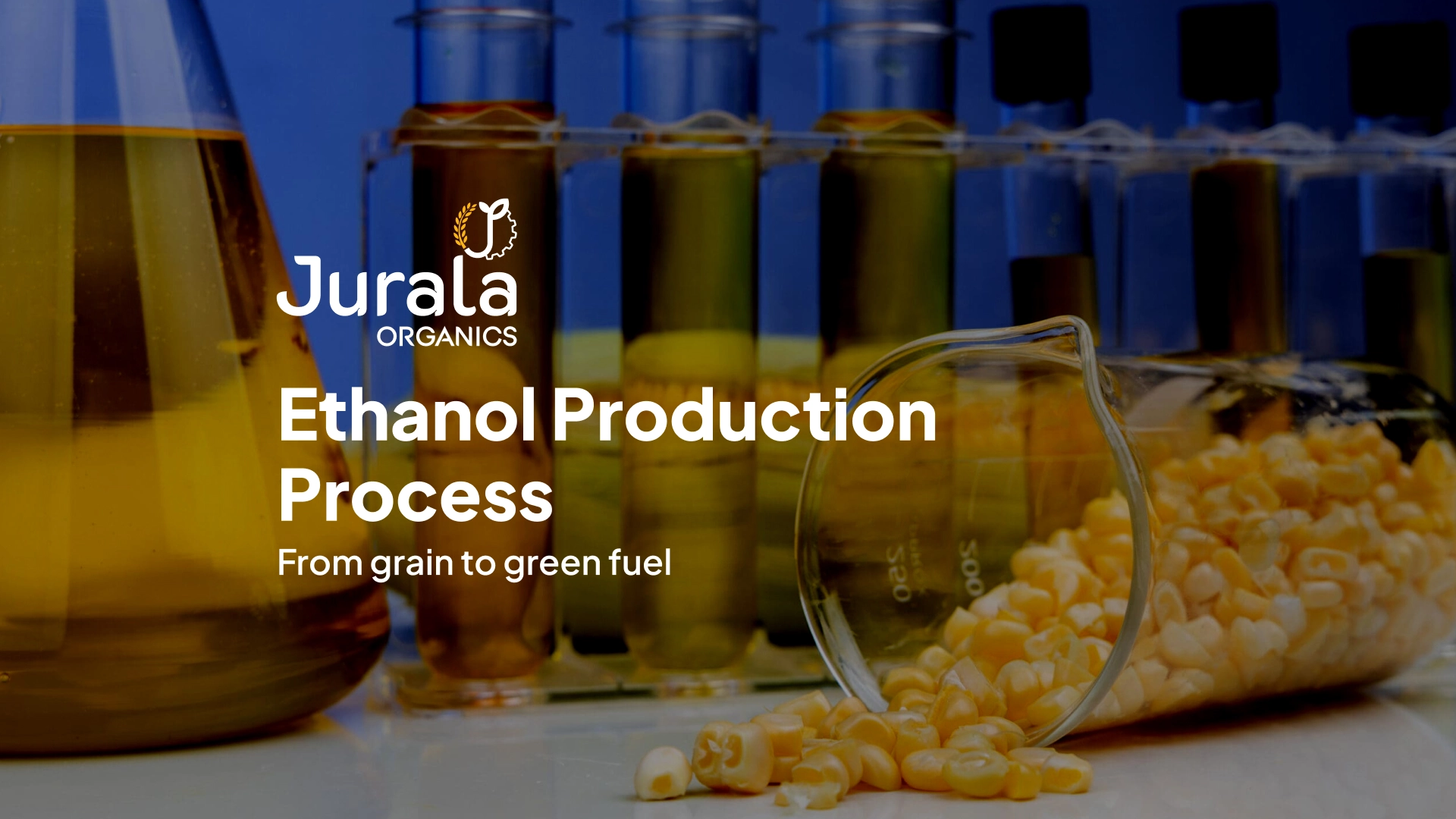
As the world moves toward cleaner and more sustainable energy sources, renewable biofuels have become an essential part of the global energy transition. Governments, industries, and consumers are increasingly looking for alternatives to fossil fuels that can reduce carbon emissions and support long-term environmental sustainability.
India is among the leading nations promoting biofuels through various energy initiatives and blending programs. Through advanced technologies and efficient resource utilization, Ethanol Production is helping create a cleaner future while supporting agricultural growth and energy security. Grain-based manufacturing facilities play a crucial role in converting agricultural feedstocks into high-quality renewable fuel that can be used across multiple industries.
Agricultural feedstocks such as maize, broken rice, and other starch-rich grains can be transformed into renewable fuel through a series of carefully controlled manufacturing stages. These stages include milling, fermentation, distillation, and dehydration, resulting in fuel-grade ethanol suitable for blending with conventional fuels and various industrial applications.
As a renewable biofuel, ethanol helps reduce dependence on fossil fuels while supporting environmental sustainability. Its growing demand is driven by the need for cleaner transportation fuels, improved energy security, and reduced carbon emissions, making it an important component of modern renewable energy strategies.
The increasing focus on renewable energy has highlighted the importance of Ethanol Production in creating sustainable fuel alternatives. Unlike conventional fuels, ethanol is produced from renewable agricultural resources that can be replenished each year.
Key benefits include:
These advantages make ethanol a valuable contributor to the global transition toward cleaner energy systems.
The Ethanol Production Process involves several carefully managed stages that convert grains into high-quality renewable fuel.
1. Grain Selection and Procurement
The first stage of Ethanol Production begins with sourcing high-quality agricultural feedstocks. Grains such as maize and broken rice are selected based on starch content, moisture levels, and overall quality.
Using premium raw materials helps maximize efficiency and ensures consistent product quality throughout the manufacturing process.
2. Milling and Preparation
After procurement, the grains undergo cleaning and milling. During this stage, the feedstock is converted into a fine meal, increasing the surface area available for processing.
This step improves starch accessibility and prepares the material for enzymatic conversion.
3. Liquefaction and Saccharification
The starch present in grains must be converted into fermentable sugars before alcohol formation can occur.
Specialized enzymes are added to break down complex starch molecules into simple sugars. This conversion process is critical to achieving high yields and maintaining the efficiency of Ethanol Production.
4. Fermentation
Fermentation is one of the most important stages in the manufacturing journey. During this phase, yeast is introduced to the sugar-rich solution.
The yeast converts sugars into alcohol and carbon dioxide under controlled conditions. Modern facilities optimize fermentation parameters to maximize efficiency and maintain the quality standards required for successful Ethanol Production.
5. Distillation
Following fermentation, the mixture contains alcohol, water, and residual solids. Distillation separates the alcohol from other components using controlled heating and condensation techniques.
This process significantly increases purity levels and prepares the product for final refinement.
6. Dehydration
Even after distillation, small amounts of water remain. Advanced dehydration systems remove excess moisture to produce fuel-grade ethanol that meets industry specifications.
The dehydration stage ensures that the final product is suitable for transportation and industrial applications.
7. Storage and Distribution
The final stage of Ethanol Production involves storage, testing, and distribution. Quality control procedures verify that the product meets required standards before it is supplied to oil marketing companies and industrial consumers.
Efficient logistics systems help maintain product quality throughout the supply chain.
One of the primary reasons for the growing popularity of Ethanol Production is its positive environmental impact.
Reduced Carbon Emissions
Renewable fuels generate fewer greenhouse gas emissions compared to conventional fossil fuels, helping combat climate change and improve air quality.
Cleaner Combustion
Ethanol-blended fuels burn more efficiently, resulting in lower emissions of harmful pollutants.
Renewable Resource Utilization
Agricultural feedstocks used in Ethanol Production can be replenished annually, ensuring a sustainable and reliable supply of raw materials.
Support for Circular Economy Practices
Modern manufacturing facilities maximize resource efficiency by utilizing valuable by-products and minimizing waste generation.
Grain-Based Ethanol plays a significant role in supporting India’s renewable energy initiatives. Government blending programs aim to increase the use of biofuels and reduce dependence on imported petroleum products.
Through increased Ethanol Production, India can:
As demand continues to rise, investment in modern biofuel infrastructure is expected to accelerate industry growth.
Modern Biofuel Manufacturing facilities generate several useful by-products that contribute to resource optimization and sustainability.
Distillers Dried Grains with Solubles (DDGS)
DDGS is a protein-rich animal feed ingredient widely used in the livestock sector.
Benefits include:
Carbon Dioxide Recovery
Carbon dioxide generated during fermentation can be captured and utilized in industries such as:
This helps improve the overall sustainability of Ethanol Production facilities.
Jurala is committed to delivering high-quality Sustainable Fuel Solutions through advanced manufacturing practices and innovative technologies.
Key strengths include:
By investing in innovation and responsible manufacturing, Jurala continues to support the growth of Ethanol Production while contributing to India’s clean energy future.
Rising energy demand, supportive government policies, and increased environmental awareness are creating new opportunities for industry growth.
Several factors will drive future expansion:
As India advances toward a greener economy, Ethanol Production will remain a key contributor to sustainable development and energy independence.
The journey from grain to green fuel demonstrates the remarkable potential of renewable energy technologies. Through advanced processing methods, agricultural resources are transformed into valuable fuel that supports economic growth, environmental sustainability, and energy security.
As industries and governments continue to prioritize cleaner energy alternatives, the importance of Ethanol Production will continue to grow. Through innovation, efficiency, and responsible manufacturing practices, companies like Jurala are helping build a cleaner, greener, and more sustainable future for generations to come.