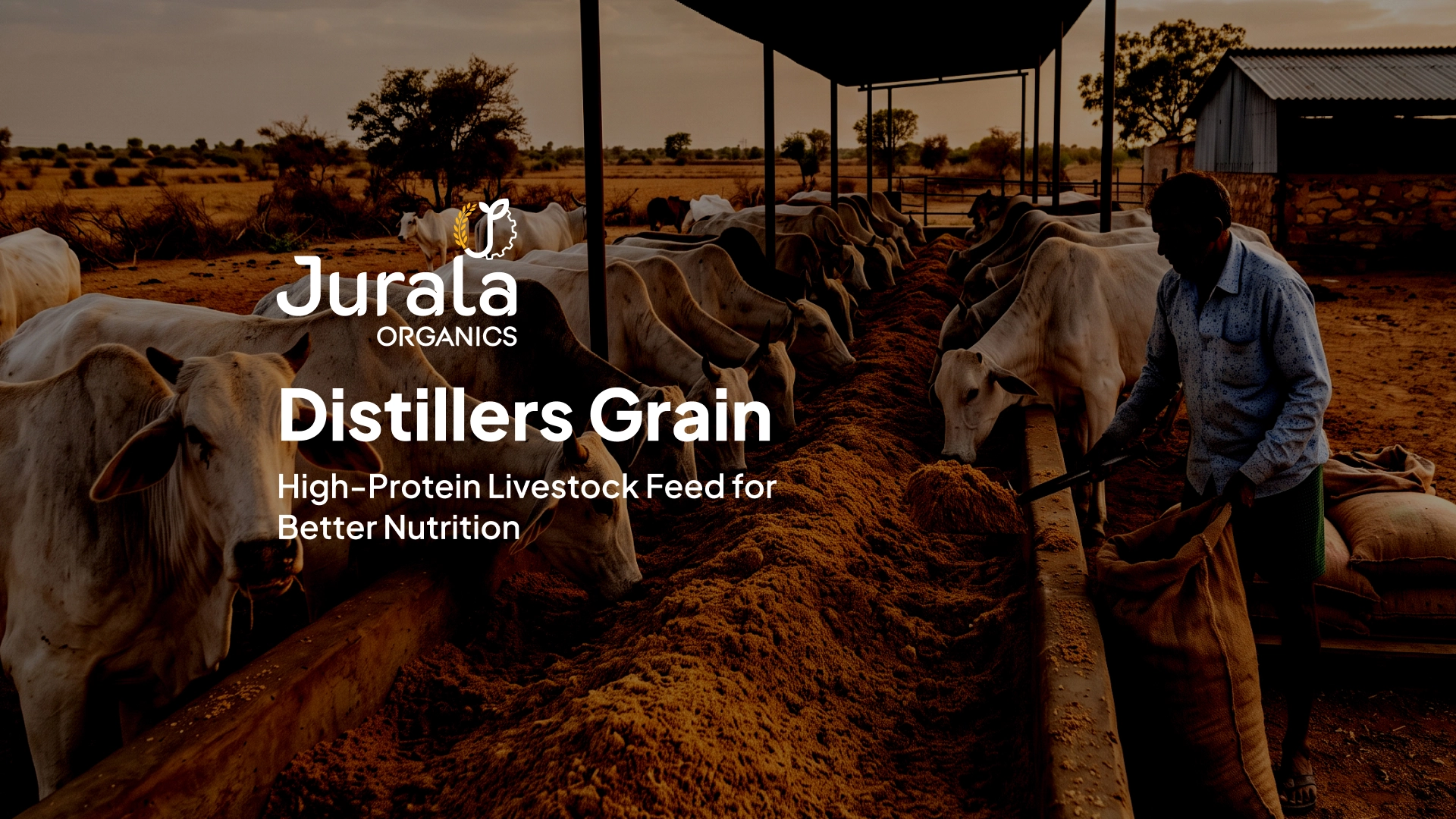
Distillers Grain: High-Protein Livestock Feed for Better Nutrition
The livestock industry depends heavily on high-quality feed to ensure healthy animal growth, productivity, and overall farm profitability. As feed costs continue to rise, farmers are increasingly seeking affordable and nutrient-rich alternatives that can support animal performance without compromising quality.
One such solution is Distillers Grain, a valuable feed ingredient known for its high protein content and nutritional benefits. Produced as a by-product of grain processing, it has become an important component of modern livestock diets. With its ability to support animal health while promoting resource efficiency, this feed ingredient is gaining popularity among farmers worldwide.
What is Distillers Grain?
Distillers Grain is a nutrient-rich feed ingredient obtained during the processing of grains for ethanol manufacturing. After the starch portion of the grain is utilized, the remaining components, including protein, fiber, fats, and minerals, become concentrated, creating a highly nutritious feed source.
A commonly used form is Distillers Dried Grains with Solubles (DDGS), which is widely incorporated into livestock diets due to its excellent nutritional profile. This feed ingredient serves as a practical solution for improving animal performance while reducing feed costs.
How Distillers’ Grain is Produced
The production process begins with the selection of quality grains such as maize and other starch-rich feedstocks.
Grain Processing
The grains are cleaned, prepared, and processed to extract starch, which is then converted into ethanol through fermentation.
Fermentation and Nutrient Concentration
During fermentation, starch is converted into alcohol. As this process occurs, valuable nutrients such as protein, fiber, and minerals become concentrated in the remaining material.
Drying and Storage
The remaining nutrient-rich material is dried to produce Distillers Grain, making it suitable for storage, transportation, and long-term use in livestock feeding programs.
Nutritional Value of Distillers Grain
One of the key reasons farmers choose Distillers Grain is its impressive nutritional composition.
High Protein Content
Protein plays a critical role in animal growth, muscle development, and overall health. This feed ingredient contains significantly higher protein levels than many conventional feed sources.
Essential Nutrients
In addition to protein, it provides:
- Amino acids
- Vitamins
- Minerals
- Beneficial fats
These nutrients contribute to balanced diets and improved livestock performance.
Energy-Rich Feed Source
The remaining fats and digestible nutrients provide an excellent source of energy, helping animals maintain productivity and healthy growth rates.
Fiber Benefits
Fiber supports digestive health and promotes efficient feed utilization, making it an important component of livestock nutrition.
Benefits for Livestock Farming
The growing popularity of Distillers Grain can be attributed to the numerous advantages it offers farmers and livestock producers.
Improved Animal Growth
The high protein content supports muscle development and healthy weight gain in various livestock species.
Better Feed Efficiency
Animals can utilize nutrients more effectively, leading to improved feed conversion and productivity.
Cost-Effective Nutrition
As a by-product of grain processing, it offers an economical alternative to many traditional protein sources.
Consistent Quality
Modern production facilities maintain strict quality standards, ensuring reliable nutritional value for livestock operations.
Applications in Different Livestock Sectors
This nutrient-rich feed ingredient can be used across a wide range of livestock production systems.
Cattle Feed
Beef and dairy cattle benefit from the protein, energy, and fiber content provided by DDGS. It supports growth performance and milk production while helping reduce feeding costs.
Poultry Nutrition
Broilers and laying hens can utilize DDGS as part of balanced feed formulations, contributing to growth and production efficiency.
Sheep and Goat Farming
Small ruminants also benefit from its nutritional value, making it a versatile ingredient in livestock feeding programs.
Aquaculture Applications
In some cases, DDGS is incorporated into aquaculture feed formulations as a sustainable protein source.
Distillers Grain and Sustainable Farming
Modern agriculture increasingly focuses on sustainability and resource optimization. Distillers Grain supports these goals by creating value from materials that might otherwise be underutilized.
Resource Efficiency
The production process ensures that valuable nutrients remain available for animal feeding rather than being discarded.
Waste Reduction
Using DDGS in livestock diets helps maximize the utilization of agricultural resources and supports responsible production practices.
Environmental Benefits
Efficient use of by-products contributes to reduced waste generation and promotes more sustainable farming systems.
Supporting Circular Agriculture
The integration of grain processing and livestock nutrition creates a more efficient agricultural ecosystem that benefits both producers and the environment.
Why Farmers Prefer DDGS
Farmers across the world are adopting DDGS because it offers a combination of nutritional, economic, and sustainability advantages.
Some key reasons include:
- High protein levels
- Reliable nutrient content
- Lower feed costs
- Improved animal performance
- Greater resource efficiency
These benefits make it an attractive option for modern livestock operations seeking long-term profitability and sustainability.
Why Choose Jurala’s Feed Solutions?
Jurala is committed to delivering high-quality feed ingredients that support livestock health and agricultural growth.
Key advantages include:
- Consistent nutritional quality
- Advanced production standards
- Reliable supply chain
- Sustainable manufacturing practices
- Commitment to customer satisfaction
By maintaining strict quality controls and efficient operations, Jurala helps livestock producers achieve better results through dependable feed solutions.
Future of Distillers Grain in Modern Agriculture
The future of Distillers Grain looks promising as demand for sustainable and cost-effective livestock feed continues to grow. Rising awareness of animal nutrition, increasing feed costs, and the expansion of grain-processing industries are driving greater adoption across agricultural sectors.
Advancements in feed technology and livestock management practices are expected to further increase the use of DDGS in animal diets. As the agricultural industry continues to focus on sustainability, this nutrient-rich ingredient will remain an important part of modern livestock feeding strategies.
Conclusion
Distillers Grain has become an essential component of modern livestock nutrition due to its high protein content, nutritional value, and cost-effectiveness. By supporting animal growth, improving feed efficiency, and contributing to sustainable farming practices, it offers significant benefits for farmers and producers.
As agriculture continues to evolve, the demand for efficient and environmentally responsible feed solutions is expected to increase. With its proven advantages and growing adoption across multiple livestock sectors, Distillers Grain will continue to play a vital role in supporting animal health, farm productivity, and sustainable agricultural development.